
How Childhood Experiences Influence Adult Relationships
Author
Lida Dimitriadou
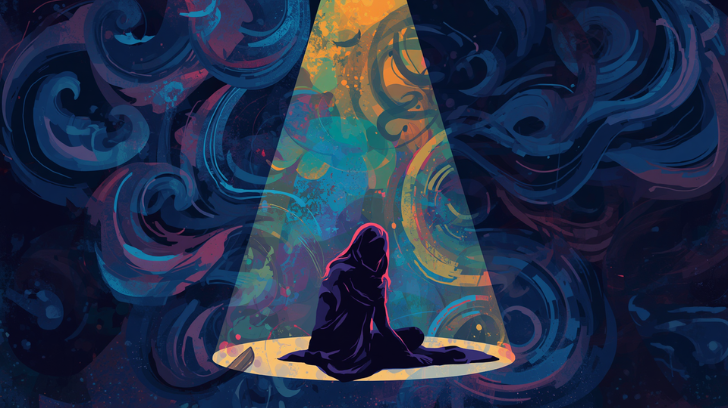
Have you ever wondered why certain situations in relationships affect you so strongly?
Perhaps you struggle to trust others, fear abandonment, avoid conflict, or find it difficult to express your needs.
Many people believe their relationship challenges begin in adulthood. In reality, our earliest experiences often shape how we connect with others long before we enter our first romantic relationship.
This doesn't mean we are destined to repeat the past. But understanding where our patterns come from can be the first step towards creating healthier and more fulfilling relationships.
Our First Relationships Matter
Before we learn about romantic love, we learn about relationships through the people who care for us.
These early experiences teach us important lessons about:
- Whether it is safe to trust others
- Whether our needs matter
- How conflict is handled
- What love looks and feels like
- How emotions are expressed
As children, we adapt to our environments in order to feel safe, connected, and accepted.
These adaptations often continue into adulthood, even when they are no longer serving us.
The Beliefs We Carry Forward
Many of the beliefs we hold about ourselves and relationships develop during childhood.
For example:
If your feelings were dismissed, you may learn:
"My emotions are too much."
If love felt conditional, you may learn:
"I have to earn love."
If you experienced criticism, you may learn:
"I'm not good enough."
If you had to become independent too early, you may learn:
"I can only rely on myself."
These beliefs often operate beneath conscious awareness, influencing how we relate to others.
Childhood Patterns in Adult Relationships
The ways we adapted as children can show up in many different ways later in life.
You may find yourself:
- Choosing emotionally unavailable partners
- Struggling with boundaries
- Avoiding vulnerability
- Fearing rejection
- Becoming overly responsible for others
- Constantly seeking reassurance
- Finding it difficult to trust
These patterns are not signs of weakness.
They are often signs of adaptation.
At some point, they helped you cope with your environment.
Why Awareness Matters
Many people become frustrated when they notice these patterns.
They ask themselves:
"Why can't I just move on?"
"Why do I keep doing this?"
The answer is often that these responses were learned over many years.
Healing does not happen through self-criticism.
It happens through understanding, compassion, and creating new experiences that challenge old beliefs.
Healing Is Possible
Our childhood experiences influence us, but they do not define us.
With support and self-awareness, it is possible to:
- Build healthier relationships
- Strengthen boundaries
- Increase self-worth
- Develop emotional security
- Create new ways of connecting
The goal is not to blame the past.
The goal is to understand how it shaped you so that you can make different choices in the present.
A Gentle Reminder
If you struggle in relationships, it does not mean something is wrong with you.
It may simply mean that parts of you are still responding to experiences that were learned long ago.
Those patterns developed for a reason.
And with patience and support, they can change.
Could Therapy Help?
Therapy offers a safe space to explore the experiences that have shaped your relationships, helping you develop greater self-understanding and healthier ways of connecting with others.
If this resonates with you, you are welcome to explore ongoing therapy and counselling sessions.
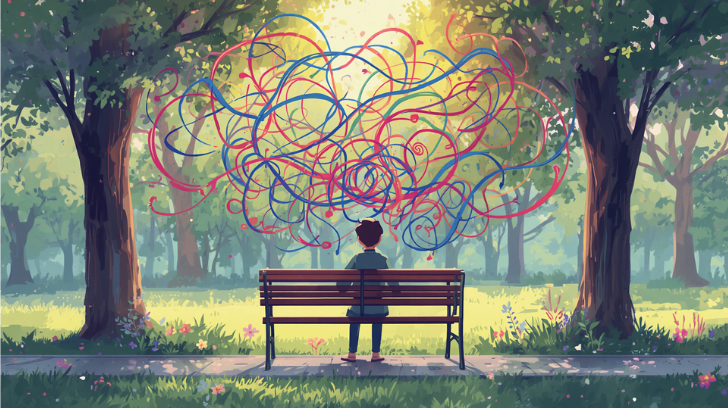
Is it love or emotional dependency? Learn the key differences between healthy connection and emotional reliance, and discover how therapy can help build secure relationships.