
The Difference Between Love and Emotional Dependency
Author
Lida Dimitriadou
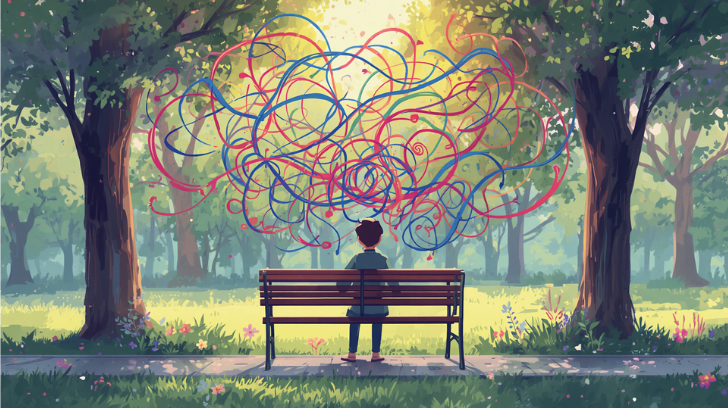
Many people worry that needing someone means they love them deeply.
Others fear that wanting closeness makes them dependent.
The reality is that love and emotional dependency are not the same thing.
Both involve attachment and connection, but they come from very different places.
Understanding the difference can help create healthier and more fulfilling relationships.
What Is Healthy Love?
Healthy love allows two people to remain connected while still maintaining their individuality.
In healthy relationships:
- Both people's needs matter.
- Boundaries are respected.
- Independence is encouraged.
- Differences can be tolerated.
- Emotional support flows both ways.
Healthy love does not require perfection.
It allows space for growth, mistakes, and authentic self-expression.
What Is Emotional Dependency?
Emotional dependency occurs when a person's sense of security, self-worth, or emotional stability becomes heavily reliant on another person.
This can look like:
-Fear of being alone
- Difficulty making decisions independently
- Constant reassurance-seeking
- Feeling incomplete without a partner
- Tolerating unhealthy behaviour to avoid abandonment
At its core, emotional dependency is often driven by fear rather than connection.
Why Emotional Dependency Develops
Emotional dependency is not a character flaw.
It often develops as an adaptation to earlier experiences.
For some people, love may have felt inconsistent or conditional.
Others may have learned that their needs were only met when they focused on pleasing others.
These experiences can create a deep longing for security and belonging.
Over time, relationships can begin to feel like the primary source of emotional safety.
Love Allows Freedom
One of the clearest differences between love and emotional dependency is freedom.
Healthy love says:
"I want to be with you."
Emotional dependency often says:
"I need you in order to feel okay."
Healthy relationships involve connection without losing yourself.
Dependency often involves sacrificing parts of yourself to preserve the relationship.
Learning to Stay Connected to Yourself
Building healthier relationships often begins with strengthening your relationship with yourself.
This includes:
Recognising your needs
- Developing self-trust
- Building emotional resilience
- Creating a sense of worth that is not dependent on others
The goal is not complete independence.
Human beings need connection.
The goal is interdependence—a relationship where both people can rely on each other without losing themselves.
A Gentle Reminder
Wanting closeness is not weakness.
Needing support is not failure.
The challenge is not learning to need no one.
The challenge is learning how to stay connected to yourself while remaining connected to others.
Could Therapy Help?
Therapy can help you understand attachment patterns, strengthen self-worth, and build healthier, more secure relationships.
If this resonates with you, you are welcome to explore ongoing therapy and counselling sessions.
Healthy relationships are meant to feel safe and supportive, so why can they sometimes feel uncomfortable? Learn why healthy love may feel unfamiliar and how therapy can help.